

Get personalized, AI-powered answers built on 27+ years of trusted expertise.
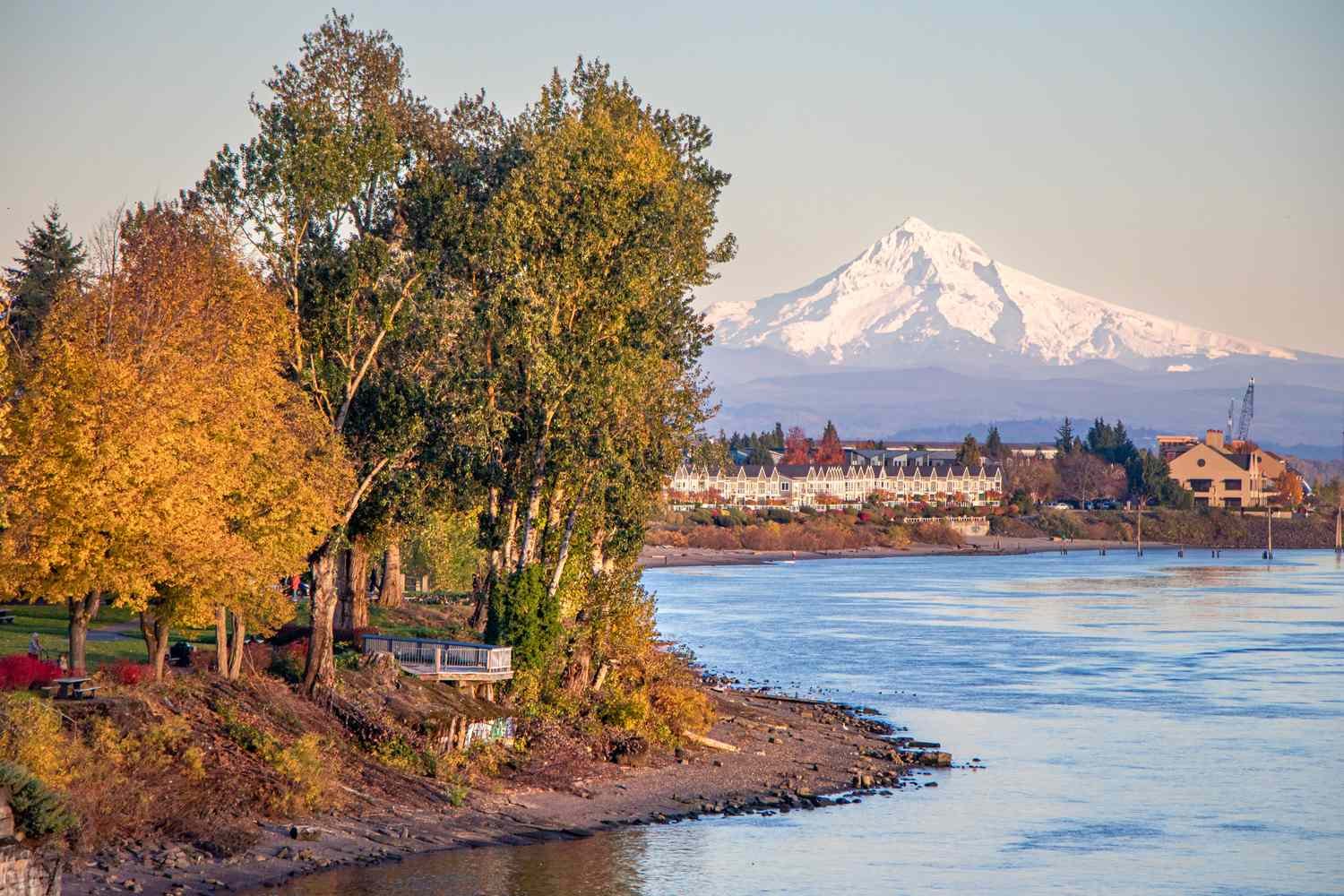
Vancouver, Washington, is situated along the north bank of the Columbia River, just across from Portland, Oregon. It offers residents Pacific Northwest beauty, riverfront views, access to an outdoor lifestyle, and proximity to one of the region’s largest urban hubs. And it was named one of the best places to retire in America.
Vancouver also stands out for retirees because it has no state income tax. That, combined with its beautiful landscapes, modern amenities, and access to both Washington and Oregon, has made it an attractive retirement destination.
Cost of Living & Tax Advantages
Housing costs in Vancouver are $510,577, higher than the national average of $368,198 but slightly lower than in nearby Portland. The higher housing costs underline the city’s popularity and its location within the broader Portland metropolitan area. Retirees won’t find bargain home prices here, but many view the combination of natural beauty and Washington’s lack of state income tax as a worthwhile tradeoff.
The general cost of living is also 6% higher than the national average. Housing, groceries, and transportation are all above the national average. While the housing costs and cost of living are not a financial draw, residents can take advantage of being close to Oregon’s shopping districts, cultural attractions, restaurants, and healthcare providers.
Washington’s lack of a state income tax means that retirees won’t pay state taxes on their Social Security benefits, pensions, retirement account withdrawals, and other forms of retirement income. One tax point worth noting is that Washington has a 7% capital gains tax on long-term gains above a certain threshold. Retirement accounts, Social Security, and most pension income remain fully exempt, however.
Housing & Neighborhoods
Vancouver offers a diverse mix of housing for retirees. Along the Columbia River, the Vancouver Waterfront is one of the most sought-after locations, with modern houses, condos, apartments, walking paths, restaurants, and river views. For retirees seeking a lower-maintenance lifestyle, the district offers a walkable environment with dining options and events.
Neighborhoods such as Felida, Cascade Park, and Fisher’s Landing are quieter, consisting of single-family homes and easy access to shopping and services. Vancouver also has planned communities and townhouse developments for retirees looking to downsize to lower-maintenance housing without sacrificing comfort.
Nature & Outdoor Lifestyle
The Pacific Northwest is considered to be one of the most beautiful regions of the U.S., and the Columbia River is one of its highlights. Much of Vancouver’s recent development has occurred along the Columbia River, where a former industrial stretch is now home to pedestrian routes, gathering areas, restaurants, and direct access to the shoreline. The Columbia River Renaissance Trail is a popular route for walking, running, and cycling.
Outdoor recreation is a big part of the Pacific Northwest, and residents have easy access to parks, hiking trails, boating, and other nature areas throughout the state and Oregon.
Vancouver is also near many of the area’s most popular destinations, such as the Columbia River Gorge, Mount Hood, and other beautiful Pacific Northwest spots, offering locals waterfalls, forests, rivers, and more.
Walkability & Everyday Living
Parts of Vancouver are walkable, yet a car is still needed to get around. The downtown district and waterfront area offer plenty of restaurants, coffee shops, parks, and community events that are easily accessible on foot.
New developments along the river have improved connections between neighborhoods and public spaces, allowing residents to lead active lifestyles without hopping into a car. Everyday errands are simple in Vancouver, making it a comfortable city for daily living. The city has shopping, healthcare, and services at a relatively low congestion. Most destinations can be reached quickly without hassle.
C-TRAN operates bus services throughout the city for those who prefer or need public transportation. They include The Vine bus rapid transit system, which connects downtown Vancouver, the waterfront, shopping districts, and many other prominent residential locations.
Culture & Lifestyle
Much of Vancouver’s recent growth has centered on the waterfront, where restaurants, breweries, and public meeting spots have turned a formerly industrial stretch into one of the city’s most popular areas. Restaurants such as WildFin American Grill and Twigs Bistro overlook the Columbia River, while breweries, wine bars, coffee shops, and locally owned businesses bring life to the waterfront and Esther Short Park area.
Local events keep the community engaged, including the Vancouver Farmers Market, summer concerts, festivals at Esther Short Park, and performances at Kiggins Theatre.
Vancouver residents also benefit from proximity to Portland, with institutions such as the Portland Art Museum, Oregon Symphony, and Portland Center Stage.
Healthcare Access
PeaceHealth Southwest Medical Center is the region’s primary healthcare provider, offering emergency care, specialty services, surgery, and outpatient treatment. The city is also home to many clinics, medical offices, and specialty practices.
Residents can also access healthcare options in nearby Portland, including Oregon Health & Science University, Legacy Health (also in Vancouver), and Providence Health. This combination of local healthcare infrastructure gives residents a wide range of options for care without having to travel far away from home.
The Bottom Line
Vancouver offers retirees Pacific Northwest scenery, outdoor recreation, and urban convenience with a tax structure that’s often considered friendly for many retirees.
Vancouver provides riverfront living, access to nature, good healthcare options, tax advantages, and proximity to a larger city for retirees who want access to these things.
Original Source: Investopedia